
Published by Florida Dating Reset
What Your Children's Reactions May Be Signaling
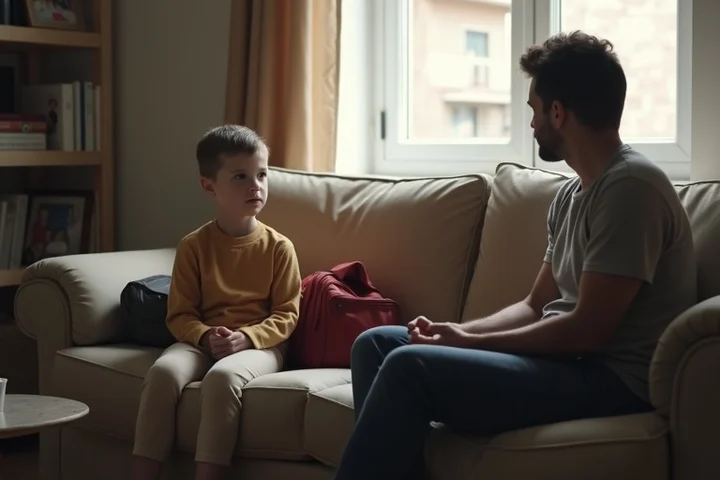
Children seldom give a clear verdict on a parent’s new relationship. Curiosity often means they are beginning to take in the change. Indifference may simply signal that they need more time to understand its place in family life. Anger, clinginess, withdrawal, worry about routines, or sudden questions about the other parent can point to anxiety or a loyalty conflict. A child may care about a parent’s happiness while still fearing that liking someone new betrays the other parent.
Take those reactions seriously without handing the child the whole decision. Repeated distress, intense resistance, or signs that the divorce itself is overwhelming suggest waiting. Mild awkwardness is another matter; many children need several low-pressure encounters to sort out their feelings. Ask whether daily life feels secure enough for the child to meet one important person. Instant approval is unnecessary.
How Relationship Stability Affects Introduction Readiness
Before bringing children into the relationship, the adults should have a fairly clear idea of where it is going. Regular contact, follow-through, shared expectations, and calm handling of ordinary disagreements give the introduction a solid footing. A relationship can feel warm yet remain too unsettled for family involvement when one person is unsure about continuing or the connection keeps starting and stopping. Children need no promise of permanence—nobody can honestly make one—but they do better when a parent introduces someone they realistically expect to keep in their life for a while.
A First Introduction Works Best When It Is Brief and Low Pressure
Make the first meeting a short encounter rather than a major family event. A familiar setting, such as a casual outing near home, can steady a younger child; a neutral place often suits a teenager who wants some distance. Let the activity do part of the social work: a walk, simple meal, market visit, or another easy shared activity leaves room for natural pauses. Long dinners, holiday gatherings, and all-day plans give one meeting more weight than it needs.
Ask the new partner to be pleasant, attentive, and appropriately interested. Keeping adult affection limited prevents the meeting from feeling like a display of couplehood, especially when the child is seeing the relationship for the first time. The child need not act enthusiastic, use a family label, or decide where this person belongs. A warm interaction is encouraging, but it cannot settle every feeling; a quiet or awkward one may simply reflect how new the moment is.
Plan a straightforward ending. If a child wants to return to the usual routine, let that happen without persuasion to extend the visit. The freedom to leave lowers the emotional stakes for everyone, including a parent who feels especially hopeful about the relationship.
Age-Appropriate Preparation and Follow-Up
Match the preparation to the child’s age and current understanding of the divorce. Younger children usually need brief, concrete information: they are meeting an adult their parent enjoys, the visit will be short, and this person is not there to replace either parent. Teenagers often prefer directness and advance notice, including the basic plan and an acknowledgment that the situation could feel strange. Reassure them that their routines, personal space, and relationship with each parent remain important. Adult children deserve the same courtesy, along with a frank conversation about what the relationship means to the parent and what it asks of them. Afterward, check in privately so they can share reactions they held back in front of the new partner. Ask what felt comfortable, confusing, or difficult, then listen without defending the relationship. If a child does not want another meeting soon, taking a pause can show care rather than rejection of the partner or relationship.
When a Co-Parent Needs Advance Communication
Advance communication is usually wise when co-parents regularly coordinate schedules, transitions, or major developments affecting the children. A brief factual heads-up can prevent a child from feeling caught between households or pressured to deliver news. The useful information is limited to the planned introduction and its basic logistics, with the focus kept on the children’s experience.
This communication works best when it stays separate from relationship conflict. A co-parent does not need to receive a case for the relationship, personal details about the new partner, or a request to judge the decision. Children should also be spared the job of carrying objections, questions, or emotional reactions from one parent to the other. A calm adult-to-adult channel protects the first meeting from becoming another front in the divorce.
Introducing a new partner is less about finding a perfect moment than creating a manageable one. Relationship steadiness, a child’s emotional capacity, modest expectations, and an honest follow-up give the first meeting room to unfold without forcing it.