
Published by Florida Dating Reset
A Long Marriage Can Leave Old Roles Embedded in Your Identity
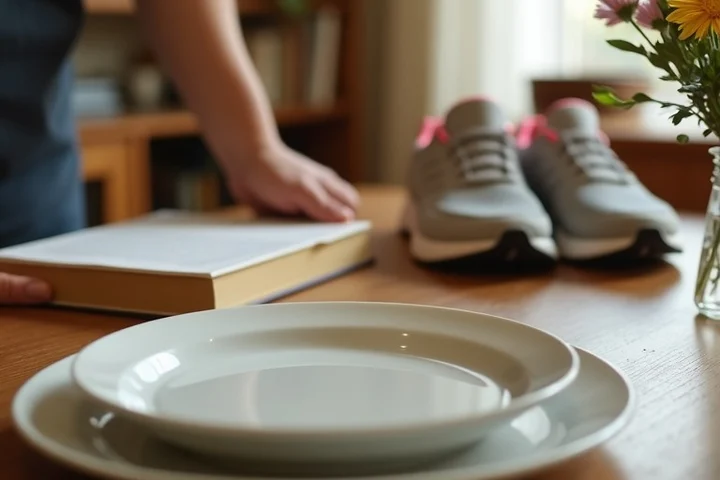
Long marriages often involve planning weekends, managing household tasks, maintaining couple friendships, or routinely deferring to a spouse’s preference. After divorce, even a small decision about an evening can feel unfamiliar because the old answer centered on a shared role. A long marriage can also link identity to being someone’s partner, caregiver, organizer, financial teammate, or social counterpart. Those roles were real parts of life, yet they can obscure present interests, limits, and hopes. Dating again starts when preference no longer means negotiating with a former marriage.
When Dating Norms Have Changed Since You Last Participated
Modern dating often begins with an app introduction, a brief exchange, or an invitation outside the courtship sequence you once expected. Early contact is often less scripted, and people use different labels for casual dating, companionship, exclusivity, or a committed relationship.
That variety calls for directness instead of guessing. Ask about pace, interest, and compatibility when a reply is slower, a format is unfamiliar, or a connection remains undefined. New norms do not require giving up courtesy or discernment. They allow more than one legitimate path into connection.
Identity, Confidence, and Present-Day Preferences
Confidence after years away from dating grows from knowing what belongs to you now, not from performing as the person you were before marriage. Separate three common inherited assumptions: a partner should automatically fill a social role, strong interest should create immediate certainty, and shared time removes the need to state needs plainly. Present-day preferences often include how much time together feels good, what kind of conversation creates ease, the independence you want to keep, and the connection you hope to build. List your interests, routines, values, and nonnegotiable limits in private so they stand apart from a former spouse. Each choice then lets you participate as yourself instead of resuming an old marital role.
Learning New Courtship Patterns Without Erasing Your History
- Carry Forward: Knowing that reliability, kindness, and compatible daily rhythms matter over time. Assumption To Revise: Assuming another person will naturally understand your routines or needs without discussion. Present Day Pattern: Share relevant preferences early enough for each person to decide whether the fit feels natural.
- Carry Forward: Respect the patience and repair that long-term partnership requires. Assumption To Revise: Staying silent about discomfort because compromise once kept peace in the marriage. Present Day Pattern: Use early interactions to see whether communication stays considerate and shared.
- Carry Forward: Respect for the history that shaped your family life and personal growth. Assumption To Revise: Letting the former marriage become the main lens for interpreting every new person. Present Day Pattern: Acknowledge the past when it is relevant, then return attention to the connection developing in the present.
A long marriage remains part of your story, not a set of instructions for every new connection. Dating again feels less foreign as you recognize which habits still serve you, let present preferences matter, and build a relationship around who you are now.