Published by Florida Dating Reset
Signs that attention is being tailored to post-divorce vulnerability
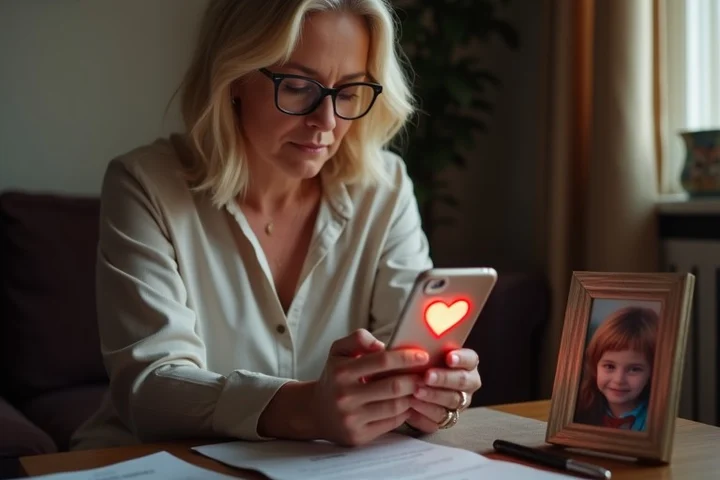
After divorce, a match can seem especially tuned in to parts of your life that still feel tender: loneliness, relief at leaving a hard marriage, worry about starting over, or financial changes after a settlement. They mirror your values, praise your resilience, and present themselves as the one person who fully understands. A scammer chose the fraud; your openness did not cause it. The Federal Trade Commission warns that romance scammers create false identities and build relationships to earn trust before seeking money. Personal details give a dishonest person material to make their attention feel uncannily personal.
Patterns that signal manufactured intimacy and isolation
Manufactured intimacy outruns ordinary knowledge. A match declares strong feelings very early, keeps up near-constant contact, and makes the relationship feel like a private world for two. Then come requests for secrecy, discomfort with you asking a friend’s opinion, or guilt when you are less available. Repeated explanations that prevent an ordinary meeting also follow this pattern: work travel, family obligations, a military posting, or another obstacle that arrives just before plans become real. When someone needs isolation, they are protecting the story, not the relationship.
Invented crises turn emotional trust into financial pressure
Once emotional trust is in place, a crisis makes a financial request feel unavoidable. Common stories involve a medical bill, travel problem, family emergency, claimed military circumstance, investment opportunity, or customs-related delay. Details are often elaborate because the goal is more than sounding plausible. The person wants you to feel that helping quickly proves your care.
People have bad weeks and genuine emergencies. The concern is the chain of events: intense connection, limited ability to meet, a private appeal, and pressure to solve a problem with your money or financial access. The FTC specifically cautions against sending money or gifts to an online love interest you have not met in person. Urgency often keeps you from stepping back and seeing the whole pattern.
Money, account, investment, and package schemes
Payment methods change, but the underlying request stays the same: use your money, identity, account, or address to resolve a problem that belongs to someone else.
When the story resembles a known scam pattern
The most useful test is the full chain of behavior, not one dramatic detail. Federal Trade Commission guidance describes fake identities used to build trust before money requests, while the FBI notes that romance scams develop through dating services, social media, and chat platforms before financial information or funds are sought. A platform’s current scam guidance, the FBI Internet Crime Complaint Center, and Florida Office of the Attorney General consumer-protection resources are useful reference points when a story starts to resemble that chain. A canceled plan alone proves nothing about identity; rapid intimacy, isolation, crisis, and extraction together call for real caution.
Questions that often come up
Can a romance scam start somewhere other than a dating app?
Yes. The FBI notes that romance scams develop through online dating sites and apps, as well as social media and chat platforms. The setting matters less than the pattern of relationship-building followed by a request for money or financial information.
Does receiving a check, package, or offer of investment prove a match is legitimate?
No. Financial activity can be used to make a story seem more serious or to pull you into a problem that is not yours. It does not substitute for a relationship that can withstand normal, open-ended reality.
Why can this feel embarrassing even when there were warning signs?
Because the connection was designed to feel personal before it became suspicious. Looking back may make the sequence seem obvious, but attention, affection, and a convincing emergency can cloud anyone’s judgment. Shame belongs to the person running the fraud, not to the person who wanted a real connection.
Can someone have a genuine emergency and still be worth trusting?
Of course. A crisis by itself does not identify someone as a scammer. What raises concern is a cluster of behavior: rapid attachment, secrecy, repeated inability to meet normally, and a request that puts your money, account, or address into their situation.
Dating after divorce already asks you to balance hope with judgment. You do not need to treat every warm message as suspicious. You do need to notice when warmth starts being used to cut you off from perspective or steer you toward money, accounts, packages, or an investment. That shift deserves to be taken seriously, however polished the story may sound.
Where the factual details come from
- Federal Bureau of Investigation Internet Crime Complaint Center — official information — Federal Bureau of Investigation Internet Crime Complaint Center
- What To Know About Romance Scams — Federal Trade Commission
- Federal Trade Commission — official information — Federal Trade Commission
- Consumer Protection — Florida Office of the Attorney General
- Romance Scams — Federal Bureau of Investigation