
Published by Florida Dating Reset
Florida settings where repeated contact happens naturally
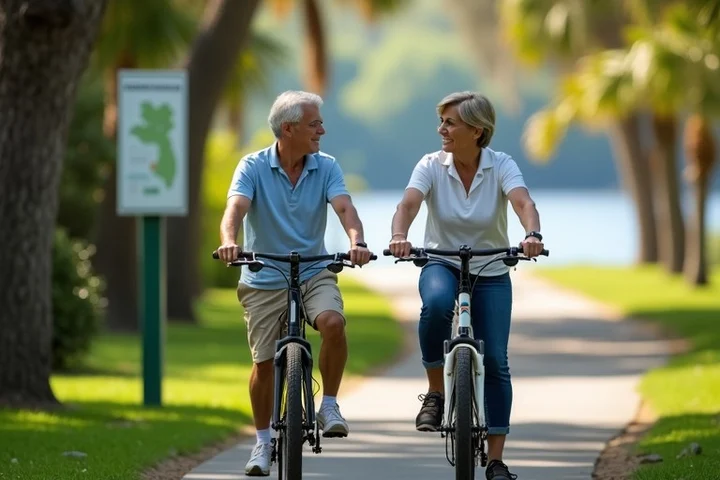
Regular-contact settings include adult education and skill classes, walking or recreation groups, book and gardening clubs, faith or civic organizations, and recurring volunteer shifts. These environments give people a shared activity before any personal interest needs to be established. In Florida, a weekly activity near an established travel corridor often fits better than a distant event requiring a separate cross-town trip, especially where work, children, and traffic shape available time.
Public places can serve as useful geographic anchors when locating existing groups and programs. Lake Eola Park is a city park in Orlando, and the Tampa Riverwalk is a waterfront destination in Tampa; each provides a recognizable local reference point for nearby community activity. In Jacksonville, Riverside Arts Market is a recurring community event that can support a regular weekend routine. Volunteer assignments, museum or arts programs, neighborhood associations, and professional gatherings add settings where participation has a purpose beyond meeting someone.
Shared routines create stronger introductions than one-off searching
Repeat attendance makes recognition easier. Familiarity develops through ordinary details: arriving regularly, taking part in a task, remembering a previous discussion, or being known by other members. Visible participation also gives conversations a natural subject and reduces the need to treat every interaction as a dating opportunity. Moving constantly among unrelated events removes that context each time. A genuine interest in the activity matters because it leaves room for a useful social life even when no romantic connection develops. For Florida residents rebuilding a circle after divorce, a routine that remains practical during busy workweeks or parenting weeks has more value than an occasional high-effort outing.
Organized singles events against interest-led communities
| Format | Intent Clarity | Social Pressure | Repeat Contact | Age Fit | Best for |
|---|---|---|---|---|---|
| Singles mixers and speed-dating events | High; attendees are there to meet other single people. | Higher because short conversations and romantic interest are central to the event. | Often limited unless the organizer runs a continuing series. | Best assessed through the event's stated age range and audience description. | People who prefer direct dating context and can tolerate a faster pace. |
| Interest-led communities | Lower; the activity, service, or professional purpose comes first. | Lower because conversation begins with a shared task or interest. | Stronger when the group meets weekly, monthly, or on an ongoing project. | Usually emerges from the group's subject, schedule, and membership culture. | People who value gradual familiarity, friendship-building, and a broader social circle. |
When you are rebuilding a social circle after divorce
A four-week Florida calendar can hold three repeatable settings: one recreation routine, one class or club, and one volunteer or cultural commitment. The same days and locations remain in place through all four weeks, allowing names and conversations to become familiar. One organized singles event can sit in the third or fourth week as a clear-intent addition rather than the entire plan. This structure keeps the calendar centered on ordinary social participation while still creating one setting where single status is explicit.
Conversation can stay with the immediate environment. Recreation groups offer material from the activity, a class or club provides the subject or project, and volunteering supplies a shared task; an organized event provides its format and common purpose. Interest is clearer when a person follows up on a previous conversation, makes time to talk again, or suggests continuing the conversation outside the group. A promising acquaintance does not need an elaborate approach: a specific, low-pressure invitation to continue talking elsewhere is sufficient, and a polite lack of interest leaves the shared setting intact.
Offline dating after divorce in Florida does not require treating every outing as a search for a partner. Recurring activities create contact, context, and a wider network at the same time. A practical mix of recreation, learning or service, and one organized singles event gives each month a clear social structure without making dating the only reason to participate.
Useful official links
- Riverside Arts Market — official information — Riverside Arts Market
- City of Orlando — official information — City of Orlando
- Tampa Riverwalk — official information — Tampa Riverwalk