
Published by Florida Dating Reset
Account Separation and Visibility Controls
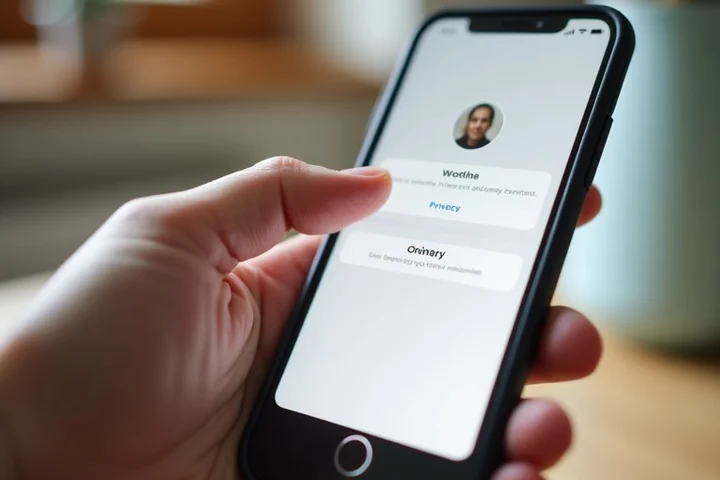
Facebook Dating uses an existing Facebook account for account context, but the Dating area has its own profile and in-app activity. A Dating profile, likes, matches, and Dating conversations are separate from the main profile, timeline, and regular Facebook posts. Some main-account details can still appear, and people from an existing network are not automatically excluded.
Meta’s current Help Center and the settings screens inside Facebook Dating govern the account version in use. The relevant details include the Dating profile, matching and distance preferences, controls for friends or blocked people, and optional links to groups, events, or other Facebook context. Feature names, eligibility rules, and regional access can change, so an older description of Facebook Dating does not replace the settings currently shown.
Facebook Dating Uses Existing Account Context Without Becoming a Public Post
Whether Dating is offered depends on the account and the version of Facebook in a region; being in Florida alone does not confirm access. When Dating appears in the app, its basic model combines a separate dating profile, profile discovery, reciprocal interest, and conversation after a match. Creating a Dating profile, expressing interest, and messaging a match alone do not put that activity in the main Facebook feed. A separate sharing prompt covers a separate choice and warrants its own review.
Familiar Context Does Not Equal Verified Identity
Existing account context can make a profile seem more familiar. Shared friends, a recognizable name, a group connection shown in the app, or an account that appears long-standing provide context when those details appear. These signals do not establish that the person controlling the profile is the person presented, is currently single, or wants the same kind of relationship.
Confirm identity, relationship status, and intentions separately. A live interaction can help show that someone resembles the profile. It cannot prove honesty, whether they are free to date, or compatibility. Information from a shared contact also has limits: the contact may know only part of the situation, have outdated information, or be an inappropriate intermediary. Familiarity can support caution; it cannot replace it.
When Mutual Connections or Existing Social Circles Appear
Social overlap can be more noticeable for people dating after divorce in Gainesville, Sarasota, or Tallahassee, where an acquaintance may appear through shared communities without a direct friendship. Recognition does not require engagement. Decline a profile, unmatch where that option is available, or use the current in-app block or report tools when contact is unwelcome.
Before interacting with someone from an existing circle, check the profile details, discovery preferences, friend-related exclusions, blocked accounts, and optional social-context connections shown by the app. If a control is absent from the current interface, do not assume it exists. Shared contacts may reduce surprise, but they do not make the exchange confidential or require an explanation for choosing not to connect.
Facebook Dating keeps a new dating space separate from ordinary Facebook activity, but its practical boundaries depend on the account version and active settings. Existing social context can inform judgment without replacing independent confirmation.